

The Museum
The collector
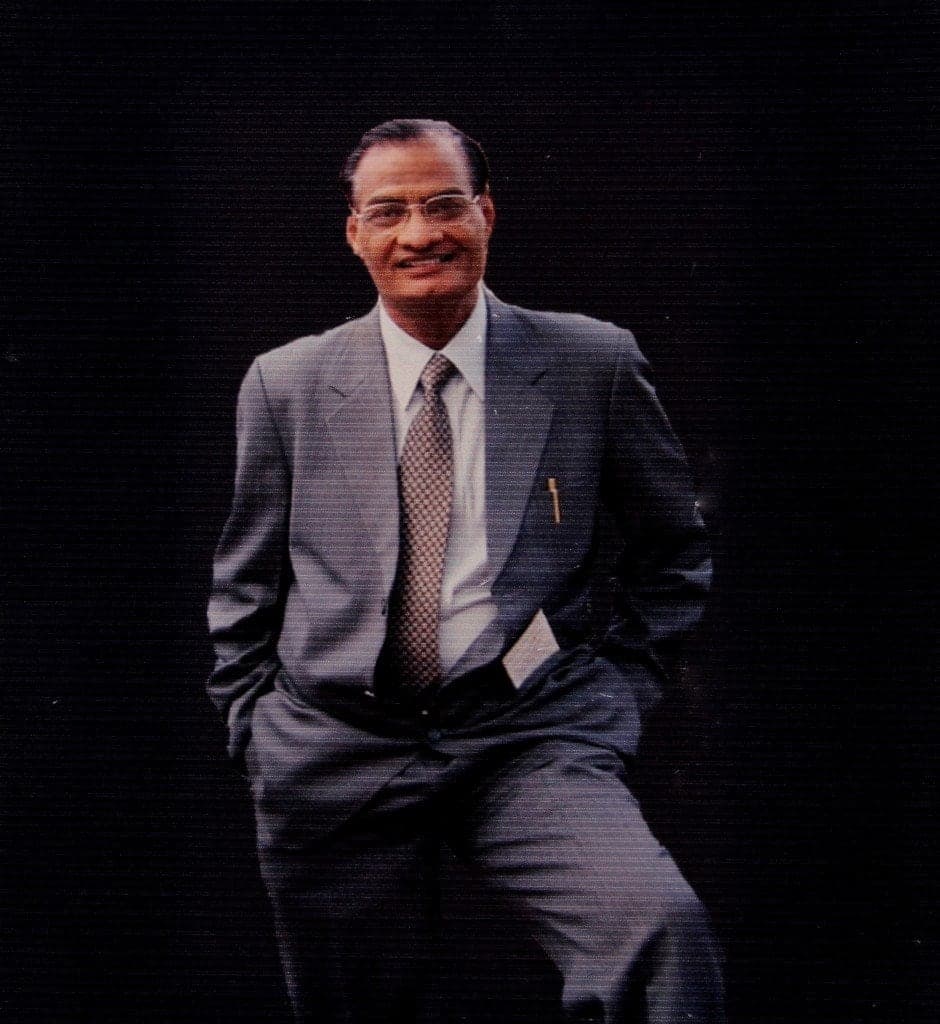
Gyan Chand Dhaddha, 1940–2004. The museum describes him as a naturalist, a collector and gemmologist. He was given two objects at sixteen and did not stop for fifty years.
The gift was two silver hookah mouthpieces, jewelled, given by his father when he was sixteen. The family describes them as two metal hand-shaped hookah mouthpieces embossed with rubies, inlaid to perfection. They are in the museum today, among the silverware.
He travelled for the family jewellery business and bought as he went — from antique houses, from dealers, from royal families. He kept what he bought in the basement of the family house in C-Scheme, in central Jaipur. Business Standard describes that basement turning slowly into a private gallery that nobody outside the family saw.
“But they weren’t prepared for the hoard they discovered: about 2,500 objects ranging from 100 to 3,000 years old, from Mughal-era miniature paintings to maharajah-worthy jewels, that rivaled the holdings of many established cultural institutions.”
He died in 2004, without a museum and without a catalogue. The collection stayed where it was.
His sons Suresh and Arun opened the storerooms afterwards. The New York Times, in 2018, reported what was in them.
What the museum shows is therefore one man’s eye, not an acquisitions policy. That is its strength and its limit, and the jewellery writer Katerina Perez put it better than we can.
“What I found most interesting was the fact that everything on display in the museum reflected the feelings of just one person, a true aesthete with an unbelievably well-developed taste.”
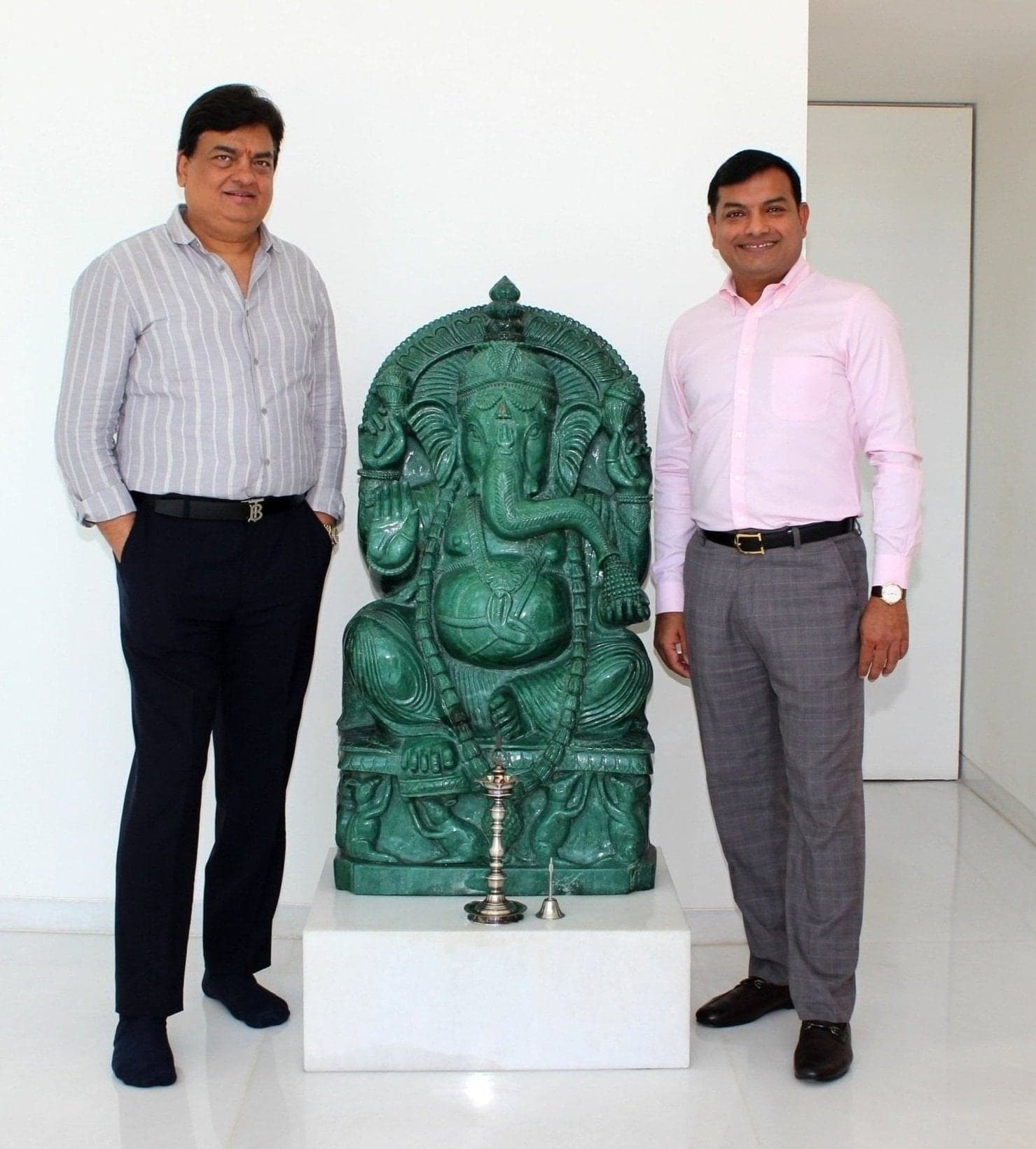
The sons who opened the storerooms
Suresh and Arun Dhaddha inherited a collection nobody had catalogued. They brought in conservators and art historians to work out what their father had assembled, inaugurated the museum on 28 December 2015, and opened it to the public on 17 November 2016.
A life, in the dates that are published
- 1940
Gyan Chand Dhaddha is born
The museum describes its founder as a naturalist, a collector and gemmologist. He was born into a Jaipur family of jewellers.
- 1956
Two hookah mouthpieces
At sixteen his father gave him two jewelled silver hookah mouthpieces. They are the first objects of the collection, and they stand today among the museum’s silverware.
- 1956–2004
Five decades of collecting
He collected for five decades, largely privately, buying through travel, antique houses, dealers and royal families. What he acquired filled the basement of the family house in C-Scheme.
- 1980s
Gem Plaza
He founded the family jewellery house, Gem Plaza. Its atelier is the complex the museum stands in today; its retail shop is on MI Road.
- 2004
The collection is left in the storerooms
Gyan Chand Dhaddha died in 2004. The collection stayed where he had left it, in the family storerooms, uncatalogued.
- 2004–2015
His sons open the storerooms
Suresh and Arun Dhaddha opened the storerooms. The New York Times later reported what they found: about 2,500 objects, from 100 to 3,000 years old. Counting, cleaning and cataloguing it is what turned a private accumulation into a collection.